
JKA Philippines Sayonara Party Caps Historic Unforgetable Bow in Davao International Event
Japanese, Indonesian and Mongolian delegates celebrate friendship, Filipino hospitality, music and a special Cebu lechon as JKA Philippines closes its 2026 international gathering
 Dante Ulanday - Senior News Editor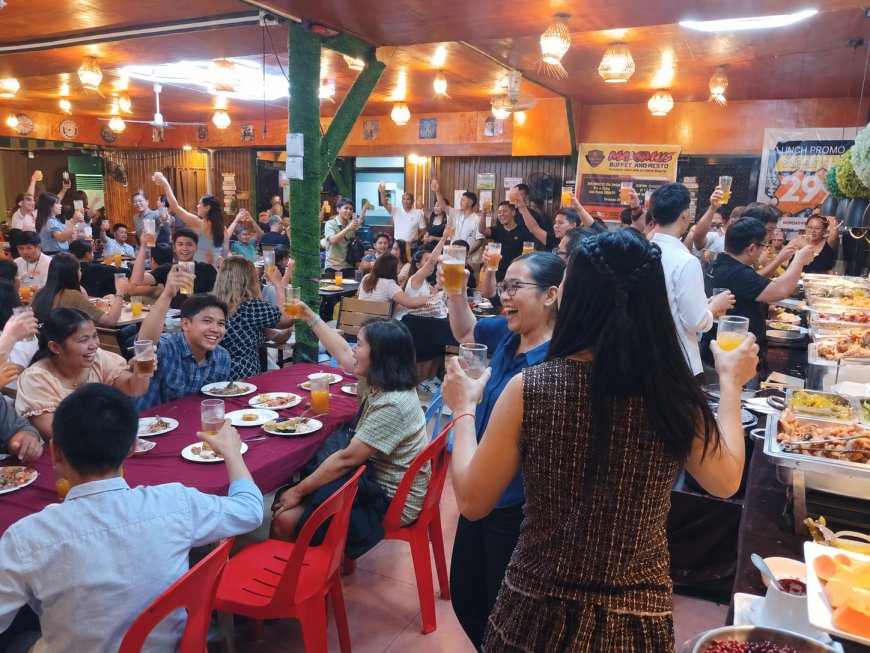
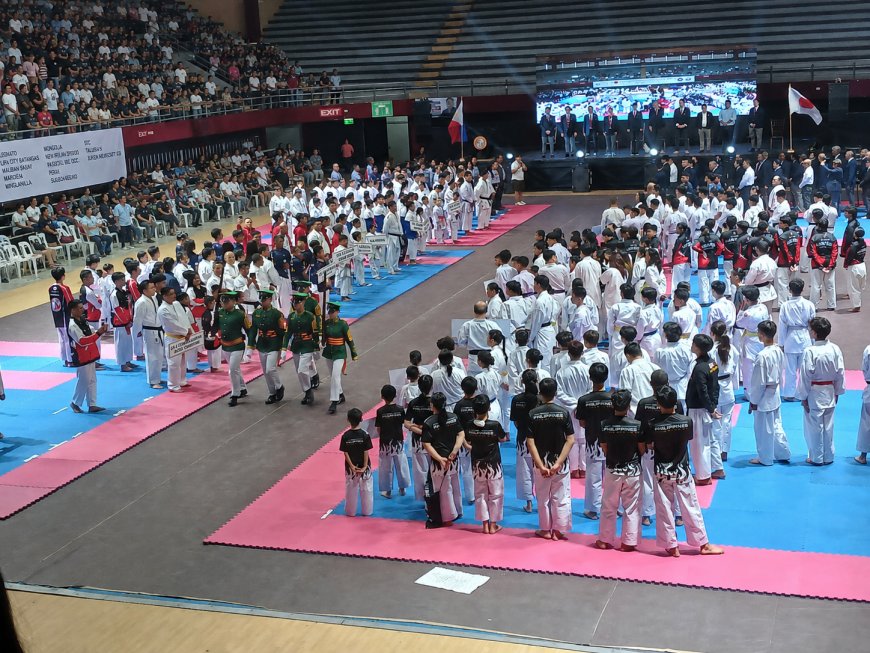
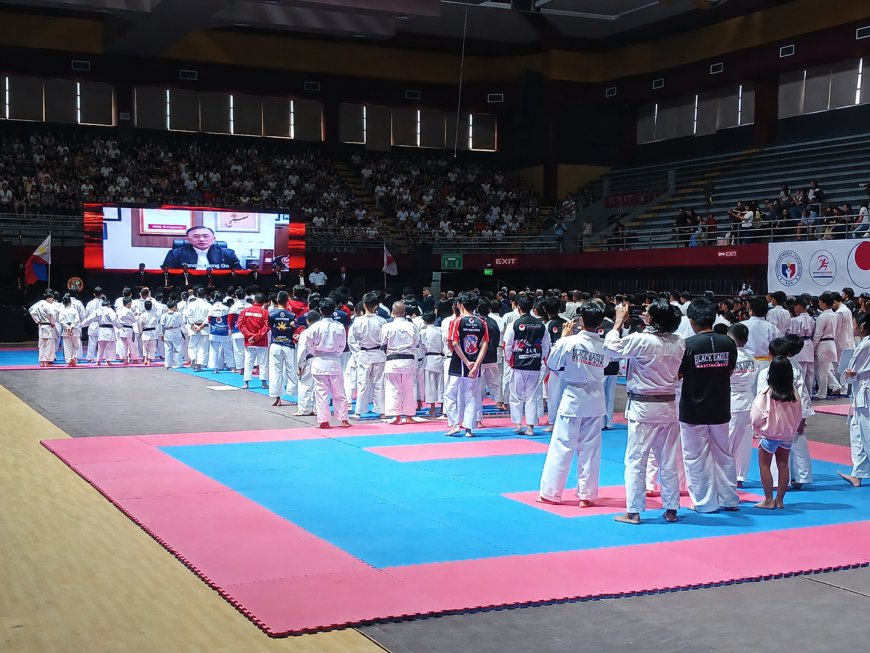
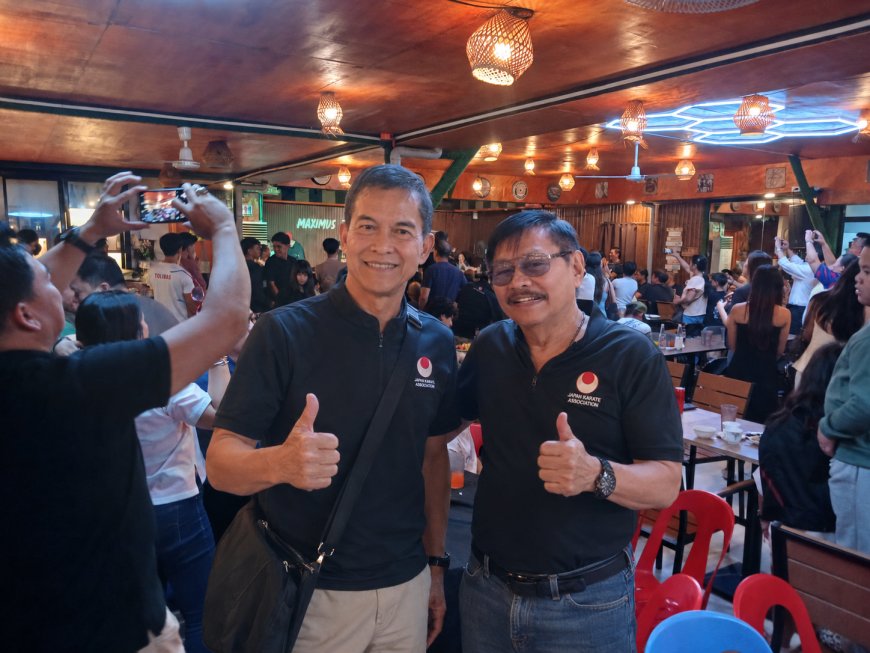
DAVAO CITY, Philippines — The competition may have ended on the tatami, but the friendship continued long into the evening as JKA Philippines hosted a memorable Sayonara Party honoring the international delegates of the 3rd JKA Philippines International Gasshuku & Karate-Do Championship 2026.
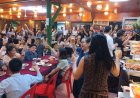
The celebration brought together the visiting Japanese delegation, representatives from Indonesia and Mongolia, JKA Philippines officials, black belts, instructors, competitors and guests in a warm and festive conclusion to four historic days of Karate-Do in Davao City.
After days defined by discipline, examinations, rigorous training and intense competition, the Sayonara gathering offered a different side of the international event—one filled with laughter, Filipino hospitality, food, music and spontaneous performances.
It became not simply a farewell party, but a celebration of the friendships created through Karate-Do.
CEBU LECHON TAKES CENTER STAGE
A special centerpiece of the evening was a traditional Filipino whole roasted pig, or lechon, specially flown in from Cebu, one of the country's major cities and a destination widely celebrated for its distinctive style of lechon.
In Filipino culture, lechon is traditionally reserved for important celebrations, family milestones, fiestas and occasions where guests are accorded special honor.
Serving it to the visiting delegations therefore carried a message beyond the meal itself.
It was a Filipino way of saying:
You came to us as guests. You leave as friends.
GENERAL YU SETS THE MUSICAL TONE
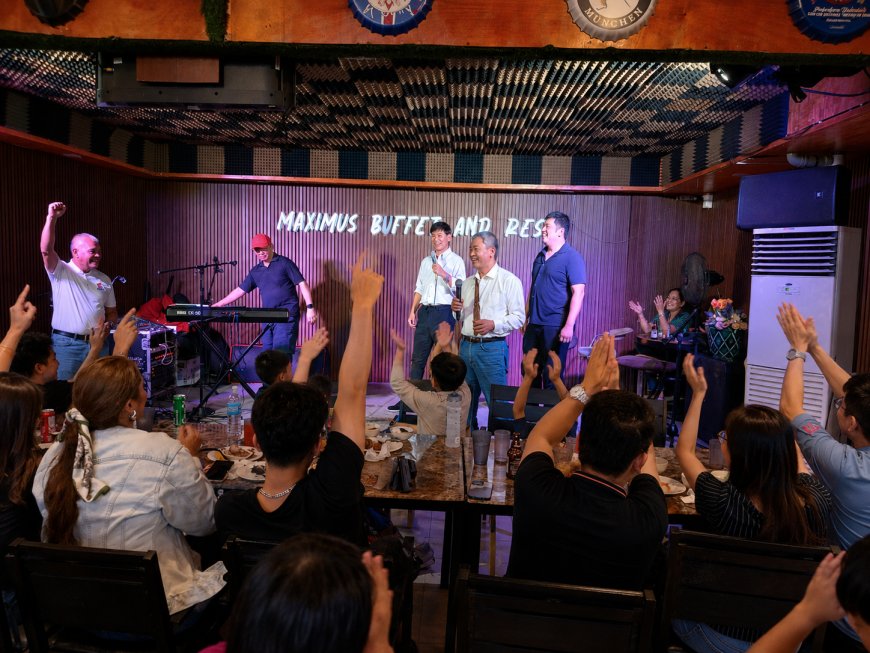
The evening soon moved from dining to music when Ysmael Yu, Sensei, Consultant to the Chairman of JKA Philippines, surprised the gathering with a special rendition of a favorite Filipino song.
Yu, a graduate of the Philippine Military Academy and retired Police Brigadier General of the Philippine National Police, showed the crowd a lighter side far removed from the discipline of military leadership, policing and martial arts.
His performance immediately warmed the atmosphere and encouraged others to join the informal celebration.
What followed turned the Sayonara Party into an international musical exchange.
JAPANESE SONG ADDS TO THE CELEBRATION
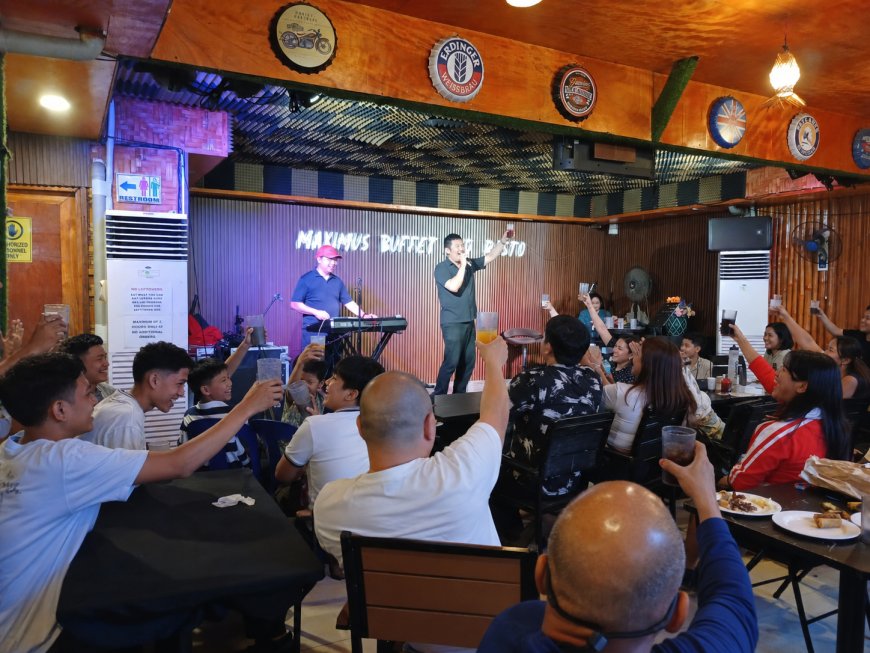
Shalie Secuya followed with a rendition of a Japanese song, a gesture that paid tribute to the visiting delegation and to the country where the traditions of JKA Karate-Do originated.
The performance drew an enthusiastic response from the audience and reflected the cultural exchange that had defined much of the four-day gathering.
For one evening, the traditional boundaries between host and guest disappeared.
Filipinos sang Japanese songs.
Japanese guests responded with their own performances.
And the international Karate-Do community simply celebrated together.
KOJI CHUBACHI DELIVERS THE NIGHT'S BIG SURPRISE
One of the biggest surprises came when Koji Chubachi, Sensei, one of the distinguished JKA instructors from Japan, stepped forward to offer his own song as a gesture of thanks to the Filipino hosts.
The unexpected performance immediately captured the crowd.
What began as a surprise song became one of the most memorable moments of the night, drawing an extended and enthusiastic ovation from the gathering.
For the competitors who had seen Chubachi in the formal role of instructor and senior Karate-Do figure throughout the event, seeing him take the microphone provided an entirely different and unforgettable memory.
His performance became, in its own way, a gesture of gratitude from the Japanese delegation to their Philippine hosts.
The applause appeared almost endless.
BLACK BELT AND FASHION MODEL DAICHI INOMOTO BRINGS THE CROWD TOGETHER
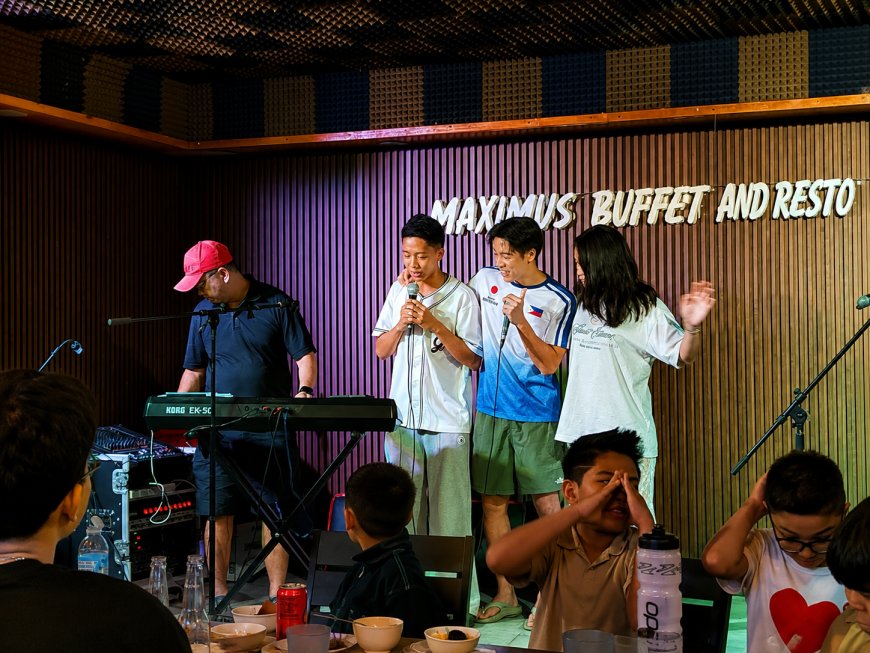
The celebration reached another high point when Daichi Inomoto, a Karate black belt and fashion model, performed a Filipino song in honor of the successful international event.
The performance quickly moved beyond a solo number.
As the familiar Filipino melody filled the venue, delegates, karate practitioners and guests began singing along.
Within moments, much of the crowd had joined him.
What started as one man's performance became a mass participation of voices, transforming the Sayonara Party into a spontaneous expression of friendship.
Japanese guests, Filipinos and international delegates who had spent the previous days training and competing together were now united through music.
It became one of the evening's clearest reminders that the international championship had succeeded in creating relationships beyond medals and competition.
FROM OPPONENTS TO FRIENDS
Only hours earlier, some of those gathered at the party had stood opposite one another on the tatami.
They had competed for points, medals and championship recognition.
At the Sayonara Party, there were no opposing teams.
There were simply karateka.
The Japanese masters who had spent four days correcting techniques were now laughing with their students.
The Indonesian and Mongolian representatives who had raised the level of international competition were sharing a Filipino feast with their hosts.
Black belts, officials, organizers and younger practitioners were taking photographs, exchanging stories and celebrating together.
That transformation—from competitors to friends—may ultimately represent one of the greatest successes of the international gathering.
FILIPINO HOSPITALITY CLOSES A HISTORIC EVENT
For JKA Philippines, the Sayonara Party was deliberately designed as more than an ordinary closing reception.
It was an opportunity to thank the visiting masters and delegations who traveled to Davao and contributed to the success of the 3rd JKA Philippines International Gasshuku & Karate-Do Championship 2026.
The evening combined the traditions of Japan with the warmth of Filipino hospitality.
Karate had brought everyone together.
The Philippines provided the farewell.
And through Cebu lechon, Filipino and Japanese songs, spontaneous performances and a room filled with applause and laughter, the gathering ended not as a formal international tournament, but as a celebration among friends.
SAYONARA — BUT NOT GOODBYE
As the evening drew to a close, the word “Sayonara” carried a meaning greater than farewell.
The Japanese masters would soon return home.
The Indonesian and Mongolian delegates would leave the Philippines.
Competitors would return to their respective dojos.
The medals and trophies would travel with their champions.
But the friendships created in Davao would remain.
The final image of the 2026 gathering was therefore not simply one of athletes standing on a podium.
It was of Japanese, Filipino, Indonesian and Mongolian members of the Karate-Do community eating together, singing together, applauding one another and celebrating what they had accomplished together.
The tournament produced champions.
The Gasshuku produced stronger karateka.
But the Sayonara Party demonstrated something equally important:
Karate-Do created a family that crossed borders.
And as the final songs were sung in Davao, there was one unmistakable feeling in the room:
This was Sayonara—but certainly not goodbye, as Mr. Emeliano T. Murillo, CEO of JKA Philippines.
OSS!